Belarus - Things to Do in Belarus in September

Things to Do in Belarus in September

September weather, activities, events & insider tips

Good time to visit Low Season · Budget Friendly

September Weather in Belarus

Temperature, rainfall and humidity at a glance

77°F (25°C) High Temp
68°F (20°C) Low Temp
2.0 inches (51 mm) Rainfall
70% Humidity
⚠ Afternoon thunderstorms can develop rapidly in the first half of September, over the flat, open terrain outside cities. These tend to be intense but short-lived. Expect 20 to 40 minutes of heavy rain and occasional lightning, then clearing. If you are in forests or near lakes when a storm builds, seek solid shelter. Do not wait it out under trees. Check local weather forecasts each morning before heading to outdoor sites.

Is September Right for You?

Weigh the advantages and considerations before booking

Advantages
  • + September marks the peak of mushroom and berry foraging across Belarus. This is no minor footnote. It is a national pastime. Families haul wicker baskets of chanterelles, boletus, and russula through forests outside Minsk every weekend. Belovezhskaya Pushcha carpets itself in damp leaf litter. The smell is earth and decomposition. Woodlands ringing the Braslav Lakes do the same. Morning light filters through birch canopy in early autumn. It stops you mid stride. You stand there. Just breathe.
  • + Minsk wakes up. The summer lull ends. The National Academic Bolshoi Opera and Ballet Theatre launches its new program. The Philharmonic schedules serious concerts again. Galleries along Independence Avenue hang fresh exhibitions. University students flood back into the capital. Zybitskaya Street's bars come alive again. Restaurants fill on weekend evenings. The energy is convivial. Quieter months are gone.
  • + Tourist numbers stay low year-round. September thins them further. The small summer wave has left. You can walk the grounds of Mir Castle alone. Stand inside Brest Fortress with almost no one else around. The major UNESCO sites feel personal. They belong to you. Not the tour buses. Crowds vanish at places carrying this much historical weight. The atmosphere shifts completely. The experience changes entirely. Take your time.
  • + The last stretch of warm weather makes September good for outdoor walking. Belarus demands this. Castle grounds stay comfortable at 25°C (77°F). Forest trails are perfect. Lakeside paths invite long walks. Minsk's granite-paved boulevards stretch for kilometers. All are pleasant now. The humid oppression of midsummer has gone. Evenings cool to 20°C (68°F). Sit outside at cafes along Zybitskaya. Drink local craft beer. You need only a light layer.
Considerations
  • Getting to Belarus requires more logistical planning than almost any other European destination. International flight connections are limited. Poland and the Baltics have more options. Visa arrangements need attention before departure. Many nationalities qualify for visa-free entry at Minsk National Airport for up to 30 days. Check your government travel advisory. Read it carefully before you commit. Do not skip this. None of this is insurmountable. It rules out spontaneous weekend trips. Krakow and Vilnius are easier options.
  • Rain arrives on roughly one day in three during September. It comes without warning. Showers last 20 to 40 minutes. Heavy rain falls. Then comes clearing. These bursts disrupt days at outdoor sites like Brest Fortress. They ruin forest walks in Belovezhskaya Pushcha. Rural roads turn to mud quickly after a downpour. This happens around the Braslav Lakes. Drying out takes longer than you would expect. The 70% humidity is the culprit.
  • English is scarce outside Minsk's central hotels. It vanishes beyond a handful of international-facing restaurants. Regional cities like Brest, Grodno, and Vitebsk use Russian or Belarusian only. Menus are not translated. Bus station signage assumes you read Cyrillic. Learn basic Russian pleasantries. The warmth locals show you doubles. Carry a phrasebook. Bring an offline translation app. Independent travel in smaller cities requires patience. You will point at things often.

Best Activities in September

Top things to do during your visit

Belovezhskaya Pushcha Primeval Forest Exploration

September is arguably the single best month to enter Europe's last primeval forest. The ancient oaks are turning. Some exceed 600 years. Their trunks are wider than a car. The forest floor is a patchwork. Damp moss and fallen leaves cover it. Wild mushrooms carpet the ground. You have never seen so many outside of a market. The smell is extraordinary. Cold earth dominates. Decaying wood adds depth. Late-season berries bring faint sweetness. European bison move through clearings in small herds. Around 600 live here. These are the continent's heaviest land animals. September's comfortable temperatures keep them active. They remain visible. Deep shade does not hide them now. The heat of summer has broken. Walk for hours without wilting. July's mosquitoes have thinned considerably. Morning mist hangs between the trees. It lingers until mid-morning. Every forest path looks like a woodcut illustration. This is not a zoo visit. The forest is vast. It is wild. It is quiet. European landscapes rarely offer this anymore.

Booking Tip: Arrange guided forest walks through licensed operators. Use those based in Brest. The gateway city sits 60 km (37 miles) from the forest entrance. Book at least a week ahead. September is busy. Group sizes are small by design. Good guides fill up quickly. Full-day excursions give you the best chance at bison sightings. Check current options in the booking section below.
Mir Castle and Nesvizh Palace UNESCO Heritage Circuit

These two UNESCO World Heritage Sites sit roughly 30 km (19 miles) apart. They lie in the Belarusian countryside southwest of Minsk. Doing them as a single day trip is one of the most rewarding things you can do in the country. Mir Castle stops you in your tracks. It is a 16th-century fortification of red brick and stone. It rises out of flat agricultural land. It reflects in its surrounding lake with clarity. September's still, cool mornings make this almost surreal. The interior is restored but not sanitized. Feel the cold radiating off the stone walls. This happens even on warm afternoons. The tower staircases are narrow. Your shoulders brush both sides. Nesvizh Palace offers aristocratic grandeur by contrast. This is the Radziwill family's large residence. It sits in landscaped parkland. September brings early autumn yellows and coppers. The grounds smell of cut grass and fallen leaves. The quiet is striking. Summer groups have gone. You might share the castle courtyard with three or four other visitors.

Booking Tip: Day trips leave Minsk and usually hit both sites with a guide who knows the ground. Book three to five days ahead in September. That gives you breathing room. Licensed operators run small groups. Public transit to these sites is spotty and frustrating. Skip it. Check the booking widget below for current availability.
Minsk Soviet Architecture and Memorial Walking Tours

Minsk took an 80% beating in the Second World War. The Soviets rebuilt it from nothing as a model city. That history is written in the architecture. No other European capital looks like this. Independence Avenue runs 15 km (9.3 miles) through the center. The boulevard is absurdly wide. It was built for parades. The Stalinist neoclassical buildings lining it are massive, their facades carved with socialist realist reliefs of workers and soldiers. Time has worn these into something stern and grand. September brings the cultural season back. Students return. The avenue fills out. Summer's emptiness is gone. The metro stations deserve their own visit. Each one is different. Mosaics, chandeliers, marble cladding. Your commute becomes a museum trip. The Island of Tears memorial sits on the Svislach River. It commemorates the Soviet war in Afghanistan. The memorial is small. It hits hard. Late afternoon in September gives it golden light. Walk Minsk right and you need two full days. Give it that time.

Booking Tip: Guided walking tours with English-speaking local historians turn impressive buildings into stories you understand. Book a few days ahead. September's cultural reopening drives up demand. Find operators who include metro stations and Svislach River memorials. See current options in the booking section below.
Braslav Lakes Kayaking and Autumn Birdwatching

The Braslav Lakes number over 30 interconnected lakes in northern Belarus near the Latvian border. Some call them the Blue Necklace. This is one of Europe's least visited lake systems. September catches them in transition. The water keeps enough summer warmth for swimming if you are bold. The shoreline forests shift from green to gold. Autumn bird migration is on. Species pass through now that you will not see at other times. Paddle Lake Drivyaty early morning. Mist hangs on the water. Your paddle breaking the surface is the only sound. The quiet feels almost violent after city days. The air carries pine resin and lake water. Birch and spruce crowd the shoreline so thickly that roads and buildings vanish within minutes. This is remote by Belarusian standards. Getting here takes effort. September pays that back with solitude that is harder to find in Europe each year.

Booking Tip: Arrange kayaks and guided lake tours through operators in the town of Braslav. Book at least ten days ahead. September is the paddling season's end. Equipment gets scarce. Some operators run multi-day trips with lakeside camping. The booking widget below may list current options for the Braslav region.
Belarusian Harvest Food and Mushroom Foraging Experiences

September in Belarus is when food and forest meet. Mushroom foraging is not a hobby here. It is culture. Weekends see forests outside every major city fill with families carrying baskets and pocket knives. They hunt chanterelles and king boletus under birch and oak. A Belarusian forest floor in September smells of damp leaves, fungal earth, crushed moss. That smell is the season. In Minsk, Komarovka Market is where this harvest lands. The hall has operated since 1979. It is the city's largest. In September, ground-floor stalls overflow with fresh mushrooms, tart lingonberries, crisp autumn apples, forest honey so dark it looks amber. Upstairs, cooked-food stalls serve draniki. These are thick, golden-crusted potato pancakes. They are the national dish. They come with smetana. Sometimes they come with wild mushroom sauce that tastes of the morning's forest. September draniki use new-harvest potatoes. They are sweeter. They are lighter. The rest of the year cannot match them.

Booking Tip: Foraging excursions with local guides run from Minsk on weekend mornings. These guides know the forest. They can spot edible species safely. Book four to seven days ahead. No foraging experience required. Wear shoes you do not mind getting muddy. For the market, no booking needed. Komarovka is open daily. Saturday mornings before 10 AM bring the best selection and atmosphere. Check the booking section below for guided food experiences.

Where to Stay in Belarus in September

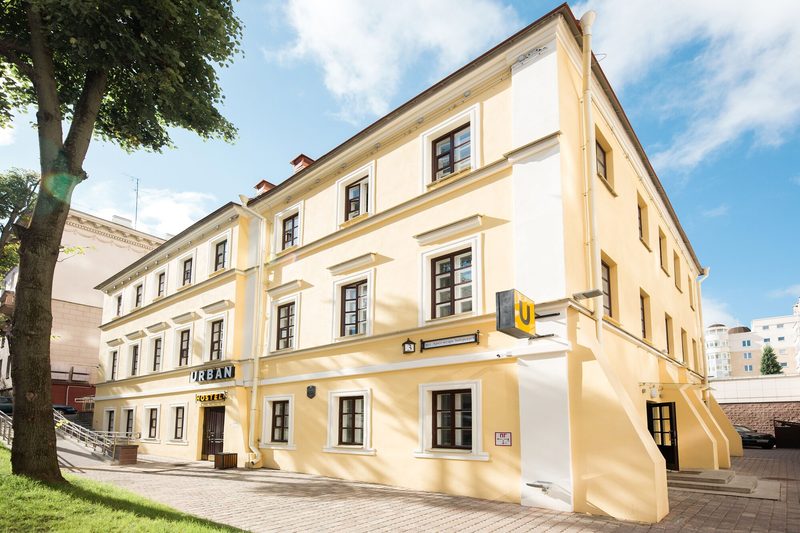
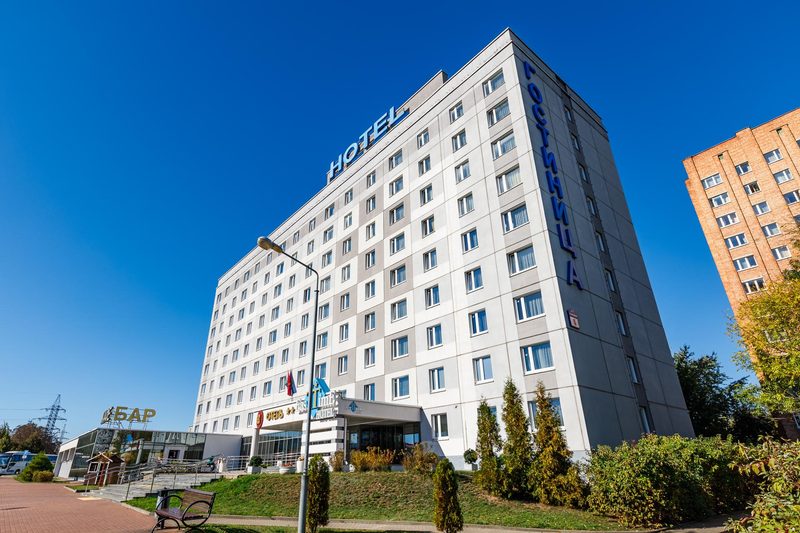
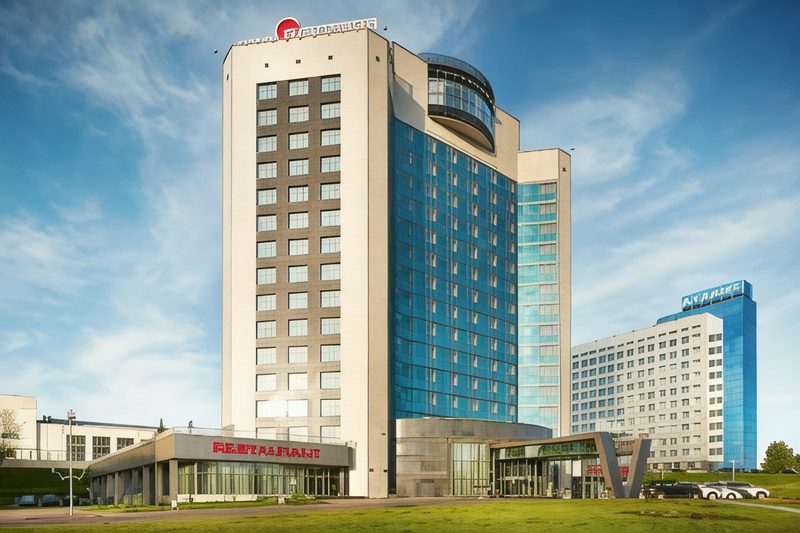
Hand-picked hotels across price tiers for September travellers.
September Events & Festivals

What's happening during your visit

Early September (first Sunday of the month, September 6 in 2026)
Day of Belarusian Written Language (Dzien Bielaruskaha Pismenstva)

This national cultural festival moves to a different Belarusian city each year. It celebrates the Belarusian language, literary heritage, and printing tradition. The host city fills with open-air book fairs, poetry readings, folk music, craft demonstrations including traditional linenwork and straw weaving. Belarusian dominates the public soundscape here. That is rare. Russian usually rules. The atmosphere mixes civic pride with real warmth. If you are near the host city, adjust your itinerary. The book fair alone is worth it. Piles of Belarusian-language literature and hand-printed editions. You will not find this the rest of the year.

Late September
Dozhinki National Harvest Festival

Belarus's state harvest festival rotates annually between regional cities and marks the close of the agricultural season with a scale that reflects how central farming remains to the national identity. Expect parades of decorated agricultural machinery, folk dance ensembles performing on outdoor stages, competitive bread-baking displays, and market stalls selling fresh produce, smoked meats, and homemade fruit wines. The host city receives significant investment in the run-up, so infrastructure and public spaces tend to look their best. The festival is earnest rather than ironic. This is not a curated heritage event but an actual celebration of the harvest, and the food stalls serve some of the best rustic Belarusian cooking you will encounter anywhere. Dates and the host city are announced earlier in the year.

Packing Checklist

Bookmark this page — your progress is saved between visits

Need the full list with shopping links?

Climate-specific gear, brand recommendations, and what to leave at home.

View Belarus Packing List →

Essential Tips

Insider knowledge and common pitfalls to avoid

Insider Knowledge
Belarus has some of the lowest street crime rates in Europe. Walking alone after dark in Minsk feels safer than central London or Paris, and violent crime targeting visitors is effectively nonexistent. The practical complications are logistical, not physical: verify your government's current travel advisory before booking, sort visa paperwork well in advance (many nationalities qualify for visa-free entry at Minsk National Airport for stays up to 30 days), carry your registration documents at all times, and do not photograph government buildings or military installations. This is enforced, and the consequences are not a polite warning. Komarovka Market in Minsk is where the city feeds itself, and September is when it reaches peak form. The ground floor overflows with wild mushrooms, forest berries, and new-harvest potatoes, while the upper-level cooked-food stalls serve bowls of mushroom soup and plates of draniki with thick smetana that cost almost nothing and taste better than most sit-down meals in the city. Saturday mornings before 10 AM are the right time. The selection is deepest, the grandmothers running the stalls are in good humor, and you can eat your way through a breakfast that would take a restaurant three courses to replicate. Cash in Belarusian rubles is non-negotiable outside Minsk. ATMs exist in regional cities but can be unreliable, card readers in smaller towns are rare, and some guesthouses near the national parks operate on cash only. Withdraw what you need in Minsk before heading to the countryside. Tipping is not culturally expected. But rounding up a bill is appreciated and noticed. Exchange rates are more favorable inside Belarus than at foreign exchange counters abroad, so convert on arrival. Zybitskaya Street in Minsk's revitalized upper-town district is the closest thing to a dedicated nightlife quarter, and September, with university students returning, is when it comes back to life after the quieter summer. The bars along this pedestrianized stretch lean toward craft beer and conversation rather than clubs and volume. On a warm September evening, the doors are open, acoustic music drifts out onto the cobblestones, and the crowd is a mix of students, young professionals, and the occasional confused but delighted visitor. It is low-key, convivial, and a genuine window into how young Belarusians socialize.
Avoid These Mistakes
Assuming English will get you through. Outside of Minsk's handful of international hotels and a few tourist-oriented restaurants near Independence Avenue, English is rare. Menus in regional cities are in Russian or Belarusian only, bus schedules at stations are in Cyrillic, and taxi drivers will not understand your destination unless you can show it written in Russian on your phone. Download an offline translation app before you land and learn the Cyrillic alphabet enough to read street signs. It takes an evening to learn and saves days of confusion. Spending all your time in Minsk. The capital is worth two days for its architecture, its markets, and its peculiar Soviet grandeur. But Belarus reveals itself in the countryside, in the primeval silence of Belovezhskaya Pushcha, the fairy-tale reflection of Mir Castle in its lake, the endless flatness of the agricultural heartland that explains why potatoes became the national obsession. Travelers who only see Minsk leave with an incomplete and oddly sterile impression of a country that is, outside its capital, rural, forested, and quietly arresting. Underestimating transit times between cities. Belarus is flat and distances look modest on a map. But rail connections between smaller cities are infrequent, bus services run on schedules that assume local knowledge, and roads outside the main corridors between Minsk and the regional capitals are slow. A day trip from Minsk to the castles works well. Trying to connect Brest, the castles, and the Braslav Lakes in three or four days without a car is a recipe for spending most of your time at bus stations.
Explore More Activities in Belarus

Didn't see anything interesting yet?

Browse Viator's full catalog of tours, day trips, food experiences, and private guides in Belarus.

See All Belarus Tours on Viator